Media Archaeology
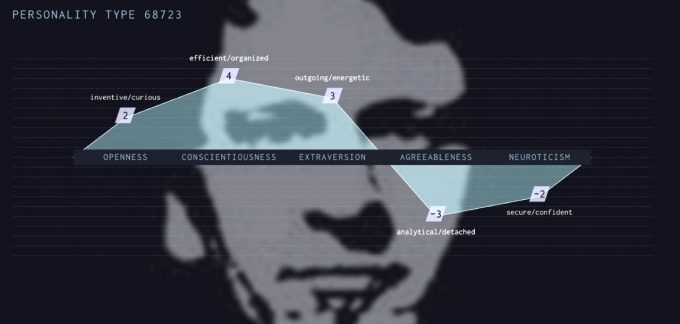
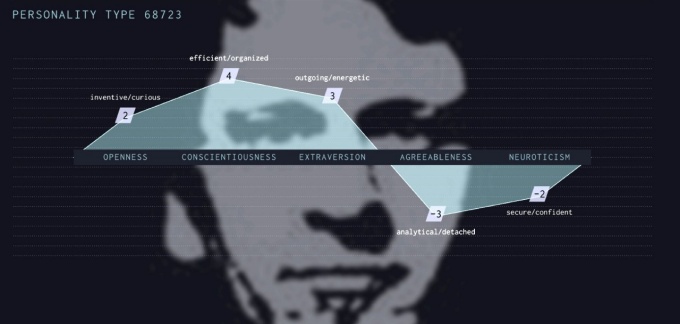
False Positive, a mobile performance and workshop on dataveillance (Mark Shepard and Moritz Stefaner, 2015)
Study media by uncovering how it was built
Media Archaeology research in the Department of Media Study investigates how media technologies shape and reflect historical change. Rather than treating media as neutral tools, this area asks how formats, infrastructures and devices influence culture, politics and everyday life. Students and faculty examine both analog and digital systems to understand how past technologies continue to shape the present.
Media do not simply have a timeline. They embody shifts in power, perception and social organization. Media Archaeology looks closely at how specific technologies operate, from photography and magnetic tape to software and integrated circuits.
Research may involve analyzing obsolete devices, repurposing outdated technologies for new artworks, reconstructing old software environments or imagining alternate histories of media development. These investigations connect technical systems to larger questions about identity, labor, race, gender and political economy.
Great for students interested in:
- Media theory and critical analysis
- Digital rhetoric and infrastructure studies
- Analog and obsolete media technologies
- Archival research and restoration
- Cultural history and political theory
- Experimental art using legacy systems
Research in Media Archaeology asks questions such as:
- How do specific media technologies shape what can be seen, heard or known?
- What cultural values are embedded in technical systems?
- Why do certain media formats disappear while others resurface?
- How does digitization transform or obscure earlier infrastructures?
- How can revisiting obsolete technologies reveal alternative futures?
These questions connect technical analysis with cultural critique.
Media Archaeology research combines close technical study with critical theory and creative experimentation. Faculty and students may analyze the inner workings of devices, trace the circulation of formats or create new works using outdated tools.
Methods may include:
- Technical analysis of media hardware and software
- Archival research and documentation
- Reconstruction of legacy systems
- Critical theory frameworks such as affect theory, psychoanalysis, queer theory and political economy
- Creative reuse of obsolete technologies
Projects can take the form of scholarly writing, installations, performances or hybrid research works.
Media Archaeology research commonly explores:
- Analog and early digital media formats
- Media infrastructure and technical systems
- Obsolescence and technological revival
- Software history and digital platforms
- Critical theory and cultural analysis
- Political economy of media systems
- Experimental work with legacy devices
Together, these approaches place media technologies in dialogue with social and political change.
Connects naturally to
Film and video, electronic literature, game studies, digital humanities, cultural studies, archival studies, political theory and performance art.


Students can participate in projects that analyze media infrastructures, work with archival materials or create art using legacy technologies. They develop strong analytical skills alongside technical literacy.
These experiences prepare students for careers in media scholarship, digital humanities, archival work, cultural institutions, critical design and advanced graduate study.