Catalysis


Catalysis research driving chemical innovation
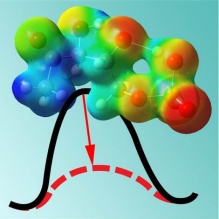
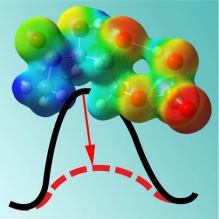
Catalysis research at UB focuses on the modification of the rate of a chemical reaction, usually an acceleration, by addition of a substance not consumed during the reaction. Catalysis research spans a broad range of materials that accelerate rates of chemical reactions.
On this page:
Catalysis research at UB addresses questions such as:
- How do catalysts lower energy barriers and control chemical reactivity?
- What molecular features govern catalytic activity and selectivity?
- How can reaction mechanisms be elucidated through experimental and computational methods?
- How can catalysts be designed to access organic compounds through new synthetic routes?
- How do enzymes function as catalysts in biological systems, and how can their activity be controlled?
These questions connect molecular understanding with practical chemical applications.
Research groups interested in catalysis employ experimental and computational approaches to elucidate reaction mechanisms, to develop materials with improved catalytic properties and to access organic compounds through novel routes and with high selectivity. Enzymes are protein catalysts that govern biological reactions and are therefore often targets for inhibition; understanding their structures and mechanisms is critical for drug discovery.
Catalysis research at UB commonly includes:
- Mechanistic studies of catalytic reactions
- Design and synthesis of new catalytic materials
- Development of selective and efficient synthetic methods
- Computational modeling of catalytic processes
- Enzyme catalysis and inhibition for drug discovery
These efforts advance both fundamental chemistry and applications in synthesis, biology and medicine.
Students can gain hands-on research experience and build skills that translate to careers in chemical production, sustainable technologies, industrial research and graduate study.