Reimagining Biology Education to Break Scientist Stereotypes

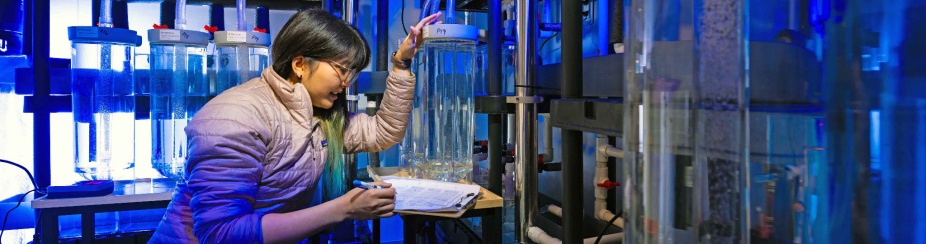
A biologist documents the microscopic characteristics of fish eggs. Photographer: Douglas Levere
SUNY Conversations in the Disciplines
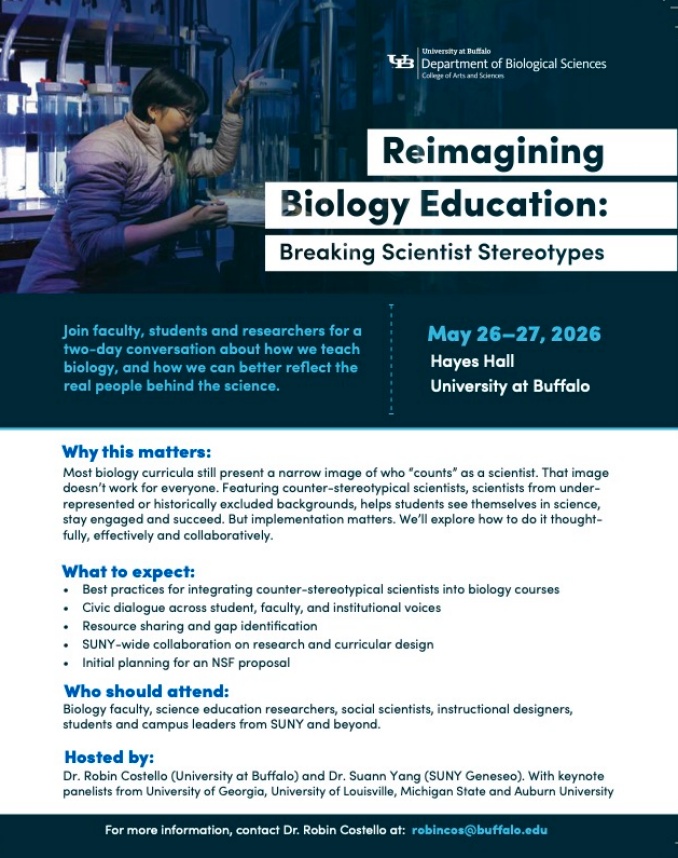
Biology education shapes how students see science and themselves. This SUNY Conversations in the Disciplines event brings together faculty, instructors, researchers and students to rethink how biology curricula represent scientists and how those choices influence student engagement, belonging and success.
May 26 | 12–9 p.m.
May 27 | 7:30 a.m.–4:30 p.m.
Location (both days):
Hayes Hall | South Campus
250 Hayes Rd., Buffalo, NY
If you are traveling to Buffalo for this event, the resources below can help you plan your visit. You’ll find directions, campus maps, local attractions and nearby accommodations to make your time in Buffalo smooth and enjoyable.
Hotel Accommodations
Participants are responsible for making their own hotel arrangements. A limited number of rooms are available at the hotels below. Please book by the listed deadlines to receive the group rates.
- Book by April 20
- Standard rate: $144
- Block name: UB Meeting CAS Events
Fairfield by Marriott Inn and Suites
- Book by April 20
- Standard rate: $119
- Block name: UB Meeting CAS Events
The Mosey, Tapestry Collection by Hilton
- Book by April 22 by calling (716) 276-9600
- Standard rate: $158
- Block name: Reimagining Biology Education
- Book by April 27
- Standard rate: $139
- Booking code: G-UBMY
Traveling to UB
Related event: SABER East
May 27 to 29, 2026
SABER East Regional Meeting
Rochester Institute of Technology
Rochester, NY.
Visit SABER site for details.


Registration cost: $80
Register by May 13, 2026
If you are affiliated with UB and plan to pay via IDI or expenditure transfer, please contact robincos@buffalo.edu.
(Schedule is subject to change)
Tuesday, May 26, 2026
12–1 p.m. Opening luncheon with welcoming remarks from conversation organizers.
1–3 p.m. Keynote panel to represent the perspectives of different groups who interact with curricular materials that feature counter-stereotypical scientists, ending with a coffee break.
3–4 p.m. Facilitated, small-group discussions to:
- Learn about the expertise of group members
- Brainstorm a list of curricular improvement and research ideas.
4–5 p.m. Group share-outs to propose priorities for research ideas and curricular design, with discussion to refine ideas to pursue on Day 2.
5–9 p.m. Dinner followed by a place-based outing in the city of Buffalo, where participants will engage with the culture of Buffalo while forming connections with each other.
Wednesday, May 27, 2026
7:30–11:30 a.m. Breakfast followed by forming working groups around the major ideas proposed during the previous day’s share-out session, ending with a coffee break.
11:30 a.m.–12:30 p.m. Lunch
12:30–2:30 p.m. Working groups will share their project ideas and seek feedback.
2:30–4:30 p.m. Plan for future working group meetings, activities and external funding.
Through discussion, collaboration and shared reflection, participants will:
- Examine best practices for featuring counterstereotypical scientists in biology curricula
- Discuss how representation influences student learning and persistence
- Identify gaps in existing educational materials and research
- Build cross-institutional collaborations focused on curriculum design and biology education research
This event is designed to support meaningful dialogue and practical outcomes that extend beyond the meeting itself.
The conversation will begin with a keynote panel representing multiple perspectives, including students, instructors, featured scientists and institutions that use these materials. From there, participants will move into facilitated discussions and working groups focused on curriculum development and research collaboration.
About the conversation
Most biology curricula still present a narrow image of who “counts” as a scientist. That image does not work for everyone. Research shows that thoughtfully featuring scientists who challenge stereotypes can help students stay engaged, see themselves in science and succeed academically.
This two-day conversation focuses on how to incorporate counterstereotypical scientists into undergraduate biology courses in ways that are intentional, effective and evidence based. Participants will share best practices, identify gaps in current approaches and form working groups to collaborate on curriculum design and research projects.
Background and scholarship
This conversation builds on prior collaborative work, including a published essay urging critical evaluation of educational materials that highlight counterstereotypical scientists:

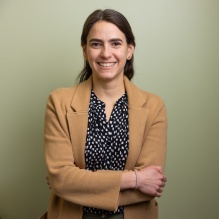
Robin A. Costello, PhD
Robin A. Costello, PhD, is an assistant professor in the Department of Biological Sciences at the University at Buffalo. One aim of Costello’s research is to evaluate the elements that make educational resources featuring counterstereotypical scientists effective. Costello was the lead author on the essay Highlighting counterstereotypical scientsits in undergraduate life science courses and is the co-Director of this Conversation.
UBNow article: Want to make scientists more relatable to students? You’ll need more than photos, study finds

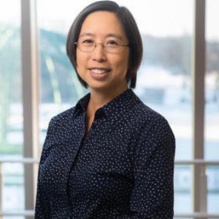
Suann Yang, PhD
Suann Yang, PhD, is an associate professor in the Department of Biological Sciences at SUNY Geneseo. Yang is the Principal Investigator of the Biologists and Graph Interpretation (BioGraphI) Project, which offers professional development to instructors to create curricula that are co-authored with and features counterstereotypical scientists and data figures from their research. Yang is the co-Director of this Conversation.

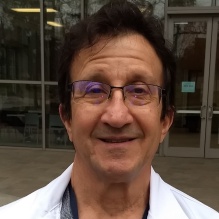
Brian Shmaefsky, EdD
Brian Shmaefsky, EdD, is a Professor of Environmental Science at Lone Star College – Kingwood, near Houston, Texas. His research interests are environmental physiology and biomonitoring. Dr. Shmaefsky provides learning experiences for his college students by incorporating civic engagement, community science, and student-driven applied research experiments into his teaching. He is currently authoring an open educational resource that incorporates an interview with an active researcher. From this experience, he will represent the featured scientists’ perspective on the keynote panel.

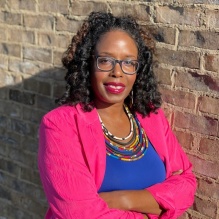
Kimberly Mulligan, PhD, is the senior assistant dean of Strategic Initiatives and Programs at Auburn University. Mulligan leads strategic efforts at Auburn University to foster a supportive academic environment. Her work focuses on developing programs that enhance engagement and success for students, faculty, and staff. She will provide her expert perspective to the keynote panel on how institutions and systems need to change to maximize the benefits and minimize the costs of featuring counter-stereotypical scientists.


Dax Ovid, PhD
Dax Ovid, PhD, is an assistant professor of Physiology and Pharmacology at the University of Georgia. Ovid’s work on the representation of scientists focuses on measuring the impacts of curricular materials that feature counterstereotypical scientists (specifically, Scientist Spotlights) on student affective measures, including how students relate to scientists and their interest in science. They will represent this student perspective in the keynote panel.

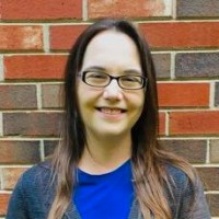
Rachel Pigg, PhD
Rachel Pigg, PhD, is an assistant professor of Biology at the University of Louisville and co-leads the BioGraphI Project with project organizer Yang. She will represent the instructor perspective in the keynote panel. Her research interests have shifted to learning theories and education, including how curricular innovations impact both the students who experience them and the instructors who make and deliver them. At the University of Louisville, Dr. Pigg mentors students who explore hypotheses related to urban wildlife ecology, biology education, tick-borne diseases, and more.