Early Modern Societies
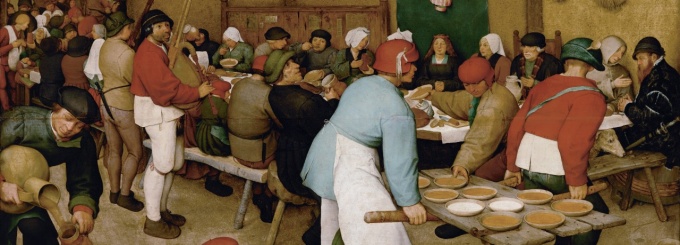
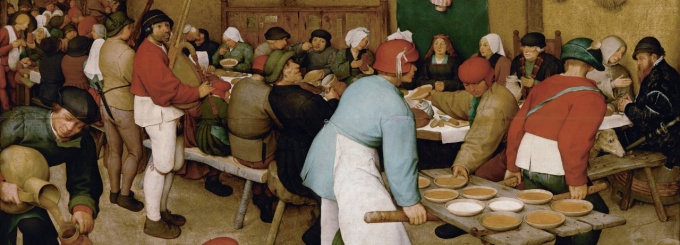
Peasant Wedding by Pieter Bruegel the Elder / Public Domain, Wikimedia Commons
Understanding a world in transition
Early modern history explores the period between 1450 and 1800, a time of major global change. Empires expanded. Religious ideas shifted. Scientific knowledge grew. Trade connected distant continents. New political systems emerged. At UB, scholars study how these transformations reshaped societies across Europe, Asia, Africa and the Americas. A particular strength of our department is the Atlantic World, where connections among Europe, Africa and the Americas created lasting economic, cultural and political change.
Great for students interested in empire, religion, global exchange, science and medicine, political change or the origins of the modern world.
Early modern research explores questions such as:
- How did global trade reshape societies and economies?
- What role did religion play in political power and everyday life?
- How did European expansion transform Africa and the Americas?
- How did ideas about science and medicine change during this period?
- How were race, identity and social hierarchy constructed?
- How did ordinary people experience empire and colonialism?
These questions help us understand how the foundations of today’s world were built.
Early modern historians work with a wide range of sources, including:
- Government and legal records
- Personal letters and diaries
- Religious texts
- Scientific and medical writings
- Visual art and material culture
Research connects local case studies to broader global systems. Scholars examine how ideas, goods and people moved across regions and how those movements shaped politics, religion and culture.
Students may conduct archival research, analyze translated primary sources or explore digital collections that illuminate this period.
These connected areas highlight the department’s global perspective and offer students multiple ways to explore change in the early modern world.
Faculty research examines the fifteenth through eighteenth centuries, exploring elite culture, political authority, religion, everyday life and the growth of medical and scientific knowledge.
This work highlights how European societies navigated expansion, reform and intellectual transformation.
Faculty working in this area:


Pieter Bruegel the Elder, Children's Games
Kunsthistoriches Museum, Vienna, Austria
The department has strengths in the study of early modern Korea and China. Faculty research focuses on religious history, political culture and the cultural history of medicine.
These workplaces regional developments within broader global contexts.
Faculty working in this area:


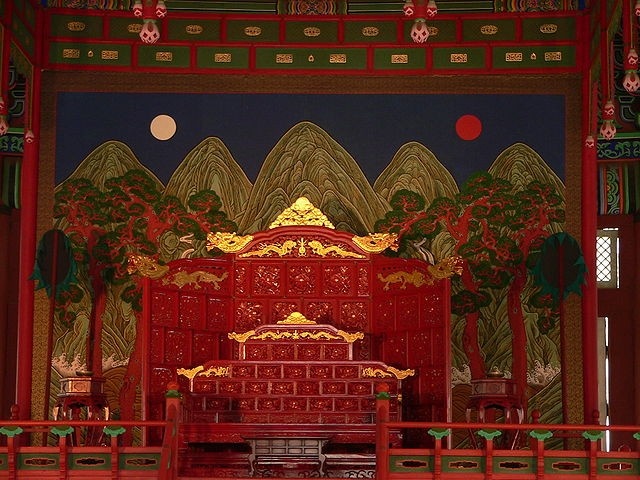
The Phoenix Throne of the king of Joseon in Gyeongbokgung Public Domain, Wikimedia Commons
Research examines the intellectual history of Iran, political and religious culture in the early modern Middle East and Islamic mysticism.
Faculty working in this area:


Faculty explore the complex relationships among European colonists, enslaved Africans, Indigenous peoples and the natural environment across the Americas and the Caribbean.
Research examines power, resistance and adaptation while tracing the legacies of colonial societies.
Faculty working in this area:


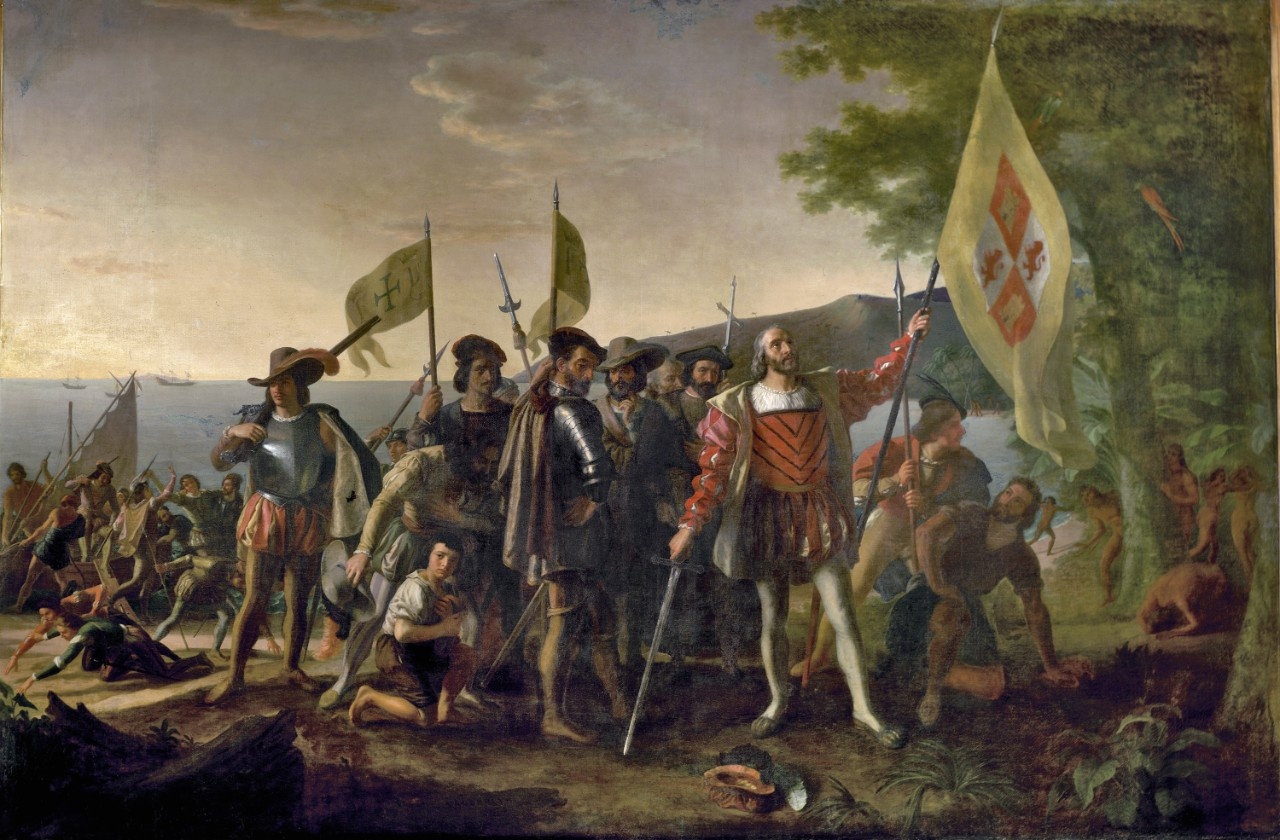
John Vanderlyn, The Landing of Columbus, 1846
A defining strength at UB, Atlantic World research examines the economic, cultural and political networks linking Europe, Africa and the Americas through trade, migration and empire.
This work highlights the Atlantic as a shared space shaped by movement, exchange and conflict.
Faculty working in this area:


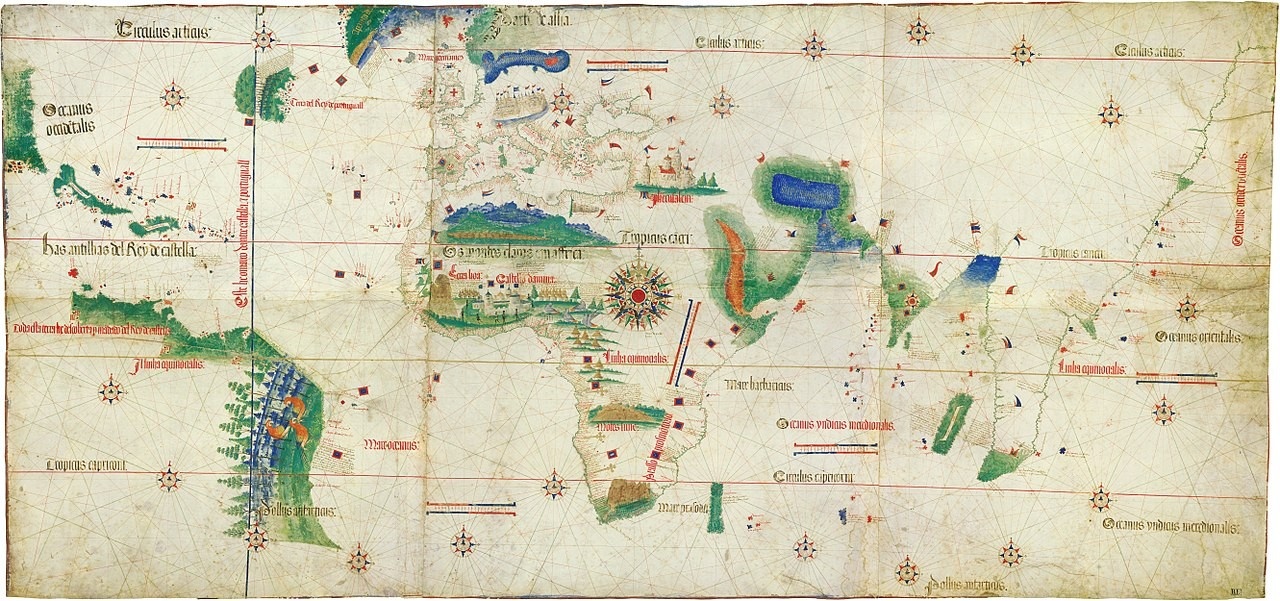
The Cantino Planosphere, 1502
Public Domain Wikimedia Commons
Students at all levels can engage early modern history through coursework and research seminars, independent study, archival and digital research projects or public-facing history initiatives.