Research Areas

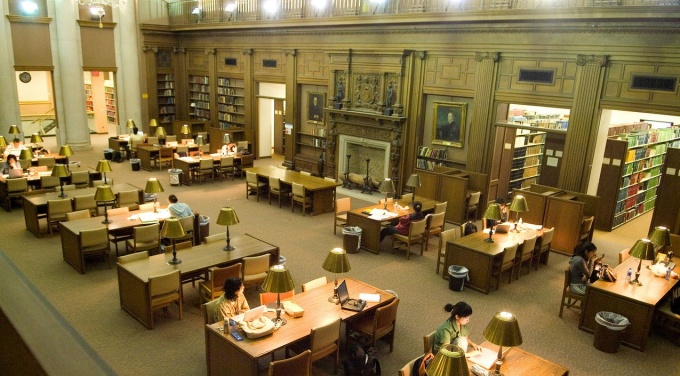
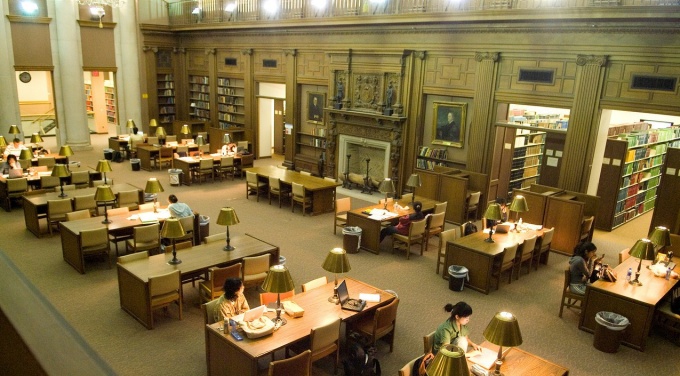
Overview of a library study area.

Asking big questions about how societies change

History research at the University at Buffalo explores how power, knowledge, belief and identity shape human experience across time. Faculty, graduate students and undergraduates work together to examine the forces that built empires, transformed science, redefined citizenship and reshaped everyday life. 

What we study

Spanning continents and centuries, our work centers on four core areas of strength that guide collaboration, teaching and original scholarship. Students at every level have opportunities to participate in research, from archival projects to public history initiatives.

  • Race, Empire and Nation
    3/19/26
    Race, empire and nation examines how colonialism, imperial rule and nation-building shaped societies across the globe. This research explores how ideas about race and ethnicity were created, enforced, resisted and transformed over time. At UB, scholars study the Atlantic world and beyond, tracing how slavery, empire and national identity reshaped politics, economies and everyday life. This work helps explain how historical systems of power continue to influence inequality, citizenship and belonging today.
  • Medicine, Disability and Science
    3/19/26
    Research in medicine, disability and science examines how scientific and medical knowledge is created, circulated and contested across time and place. Faculty in the Department of History study not only institutions and ideas, but also the lived experiences of people shaped by medicine, technology and systems of care. This work helps students understand how science and medicine intersect with power, identity and social change.
  • Early Modern Societies
    3/19/26
    Early modern history explores the period between 1450 and 1800, a time of major global change. Empires expanded. Religious ideas shifted. Scientific knowledge grew. Trade connected distant continents. New political systems emerged. At UB, scholars study how these transformations reshaped societies across Europe, Asia, Africa and the Americas. A particular strength of our department is the Atlantic World, where connections among Europe, Africa and the Americas created lasting economic, cultural and political change.
  • The Twentieth Century World
    3/19/26
    The twentieth-century was marked by rapid transformation, conflict and connection. Wars reshaped borders. Empires collapsed. New nations emerged. Technology accelerated communication and industry. Social movements challenged power and inequality. At UB, faculty and students study individual regions and nations while placing them within global, comparative and transnational contexts. This research helps explain how ideas, technologies and movements crossed borders and reshaped societies worldwide.

Get involved in research

Students work closely with faculty to pursue original research in archives, libraries and digital collections. Research training includes advanced seminars, independent projects and opportunities to present work at conferences and public events.