Race, Empire and Nation
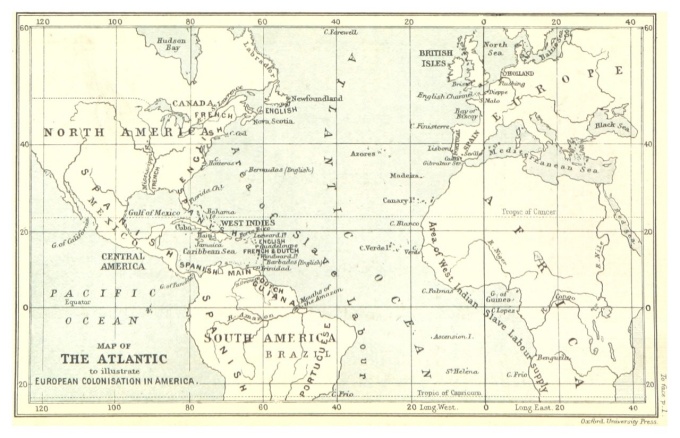
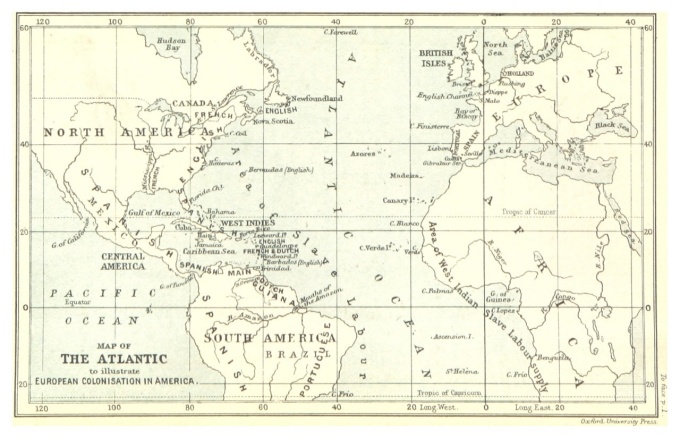
The Atlantic World (1888) from A Historical Geography of the British Colonies, by Charles P. Lucas / Public Domain, Wikimedia Commons
Understanding power, identity and the modern world
Race, empire and nation examines how colonialism, imperial rule and nation-building shaped societies across the globe. This research explores how ideas about race and ethnicity were created, enforced, resisted and transformed over time. At UB, scholars study the Atlantic world and beyond, tracing how slavery, empire and national identity reshaped politics, economies and everyday life. This work helps explain how historical systems of power continue to influence inequality, citizenship and belonging today.
Great for students interested in colonialism, global history, slavery, migration, nationalism or the history of race and identity.
Research in race, empire and nation explores questions such as:
- How did empires expand and govern across continents?
- How were racial categories constructed and institutionalized?
- How did enslaved and colonized people resist imperial systems?
- What role did slavery play in shaping modern economies and states?
- How did nations emerge from imperial rule?
- How do colonial legacies continue to shape politics and identity today?
These questions connect past systems of power to present-day global realities.
Historians in this field use a wide range of sources, including:
- Colonial administrative records
- Slave narratives and personal accounts
- Political speeches and legal documents
- Economic and trade records
- Newspapers and print culture
Research often connects regional case studies to global systems of trade, migration and governance. Faculty use transnational and comparative approaches to understand how empires functioned and how people navigated them.
Students may work with archival sources, digital collections and interdisciplinary methods to explore how race and empire shaped lived experience.
These interconnected areas reflect the department’s depth across regions and themes, offering students multiple entry points into the study of power, identity and global transformation.
African history is central to understanding global trade, empire and migration. Faculty research explores Africa’s role in the Atlantic world, the development of the Atlantic slave trade, the rise and fall of empires and the transformations of decolonization.
This work positions Africa as an active force in world history.
Faculty working in this area:


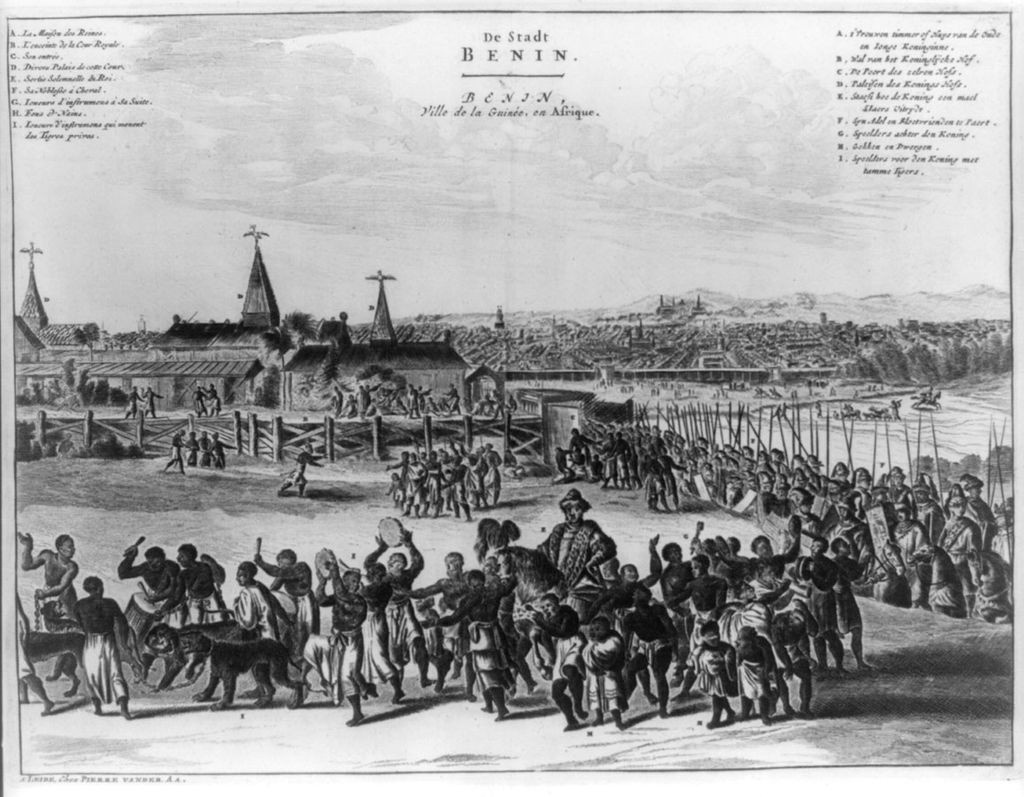
Benin City in the 17th century, with the Oba of Benin in procession.
Public Domain Wikimedia Commons
This area examines Latin America and the Caribbean from before European contact to the present. Faculty study colonialism, independence movements, migration and transnational connections.
Research highlights the region’s central role in shaping the Western Hemisphere and its long-standing interactions with Africa, Europe and the United States.
Faculty working in this area:


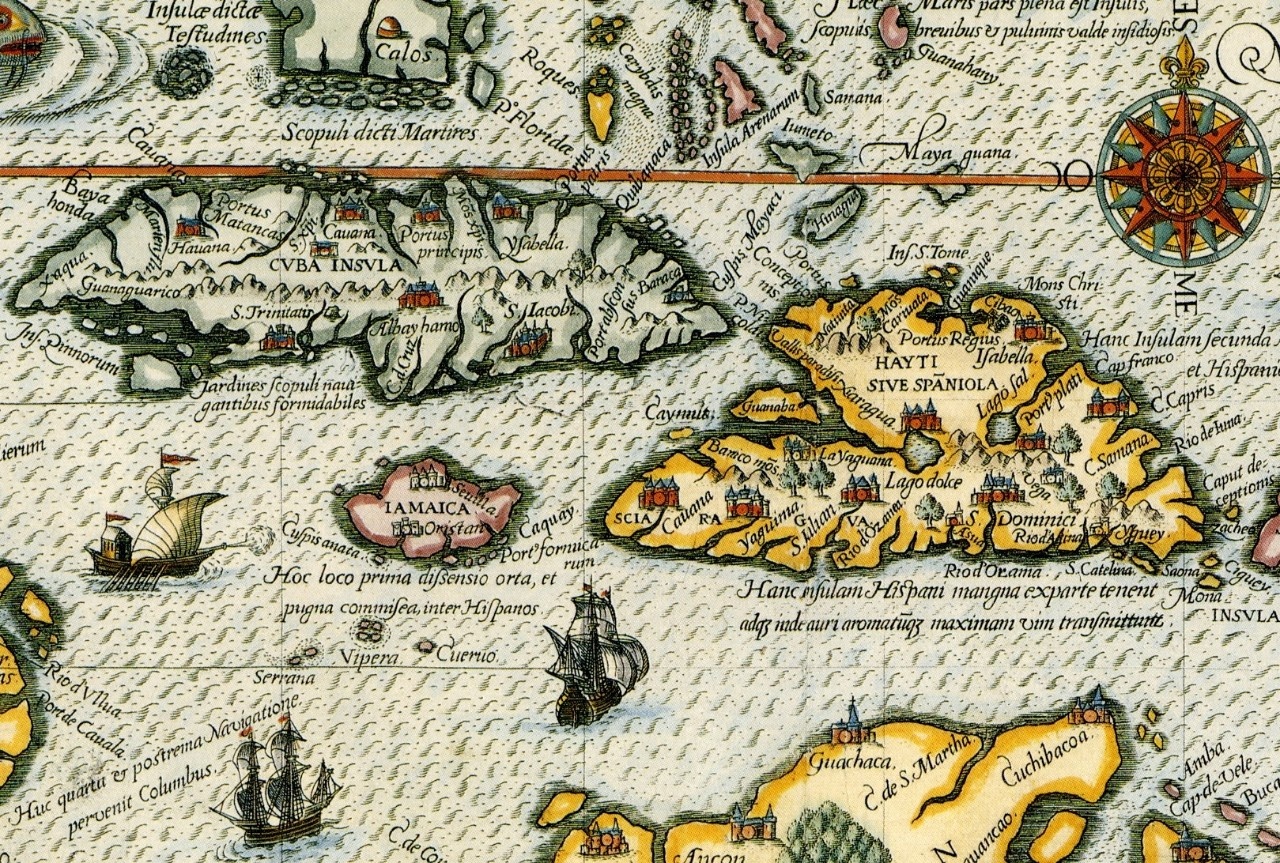
De Bry, Theodore, Grands and Petits Voyages, 1594
Faculty research addresses the global history of slavery, from African origins through the Atlantic slave trade and its varied forms across the Americas and the Caribbean.
Scholars also examine slavery’s enduring social, economic and political consequences.
Faculty working in this area:


A slave ship, 1791 Public Domain, Wikimedia Commons
This research explores how global powers extended control through colonization, economic dominance and cultural influence. Faculty examine empire across regions and time periods using transnational and comparative frameworks.
This work reveals how colonial systems shaped nations and identities that persist today.
Faculty working in this area:


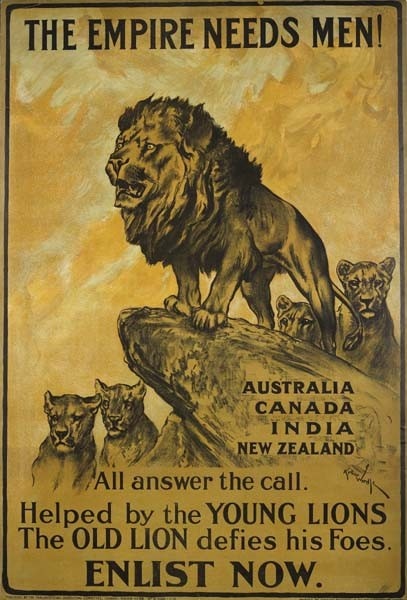
The Empire Needs Men, Arthur Wardle WWI recruiting poster. Public Domain, Wikimedia Commons
Race, empire and nation connects historical scholarship to urgent questions about power, justice and global inequality. Students interested in colonial legacies, transnational research and the history of identity will find strong mentorship and rich opportunities at UB.