Film and Video

Tell stories that challenge how we see the world
Film and Video research in the Department of Media Study at the University at Buffalo explores narrative, documentary, experimental and hybrid cinema. Based in the Center for the Arts on UB’s North Campus, this area is led by filmmakers, media artists and scholars who combine production and critical inquiry.
Students build strong professional skills while pushing against the limits of conventional storytelling. With a deep understanding of cinematic traditions, they explore new approaches to moving image work across film and digital media.
Film and Video at UB treats filmmaking as both creative expression and scholarly investigation. Faculty guide students through the history and theory of cinema while encouraging inventive approaches to production. Research often connects film to broader questions about technology, environment, identity, memory and political representation.
Great for students interested in:
- Narrative or documentary filmmaking
- Experimental and hybrid cinema
- Environmental storytelling
- Media activism
- Archival and essayistic film
- Cinematography and sound
Research in Film and Video asks questions such as:
- How can documentary form reshape public understanding of urgent issues?
- What new visual languages emerge when filmmakers challenge narrative conventions?
- How does landscape, archive or sound change the meaning of an image?
- How do film and media represent labor, migration, disability and displacement?
- What responsibilities do filmmakers have to the communities they depict?
These questions connect creative practice to social and cultural impact.
Film and Video research combines hands-on production with critical analysis. Students and faculty develop films, audio recordings and hybrid media projects while engaging theory, history and ethics.
Research methods may include:
- Location and field production
- Cinematography and sound recording
- Montage and editing experimentation
- Archival research
- Interview-based storytelling
- Community collaboration and engagement
Students often screen work publicly, present at festivals and contribute to conversations about contemporary cinema.
Film and Video research commonly explores:
- Narrative and documentary cinema
- Experimental and expanded cinema
- Hybrid and essayistic forms
- Cinematic landscape and environmental storytelling
- Audio field recording and sound design
- Political aesthetics and representation
- Film impact and community engagement
Together, these approaches position filmmaking as both artistic practice and cultural intervention.
Connects naturally to
Media activism, environmental studies, transnational media, archival studies, sound studies, cultural theory, journalism and public humanities.


Adjunct Faculty


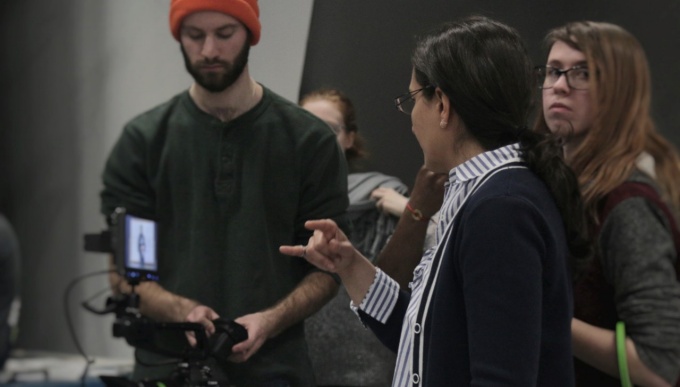
Students gain hands-on experience developing films, recording sound and experimenting with visual form. They collaborate with faculty mentors, work with professional equipment and engage real communities through documentary and hybrid media.
These experiences build creative confidence, technical fluency and critical awareness that translate into careers in filmmaking, media production, cultural work and graduate study.