Research Overview

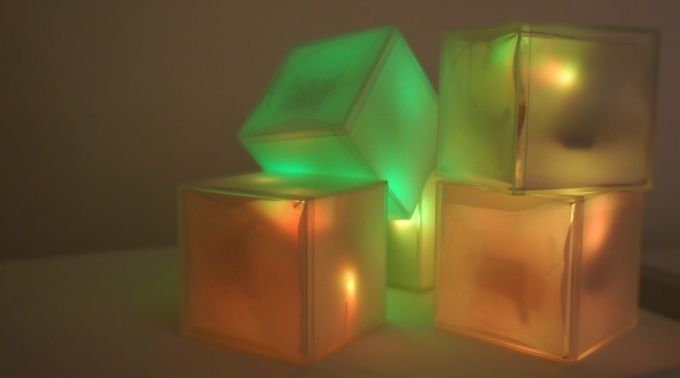
Lighted cubes stacked.

Experiment and create media with experts

Graduate and undergraduate students join faculty projects that push media forward while examining how it shapes culture, politics and everyday life. Our faculty are nationally and internationally recognized artists and scholars whose work spans film, sound, computing, literature and cultural theory.

What we study

Explore the areas below to learn what each field studies and how students get involved.

  • Electronic Literature
    4/21/26
    Electronic Literature research in the Department of Media Study at UB explores how storytelling changes when computers become creative partners. For more than forty years, writers and artists have used digital tools to create poetic, fictional and dramatic experiences that move beyond the printed page.
  • Emerging Media
    4/21/26
    Emerging Media research in the Department of Media Study at the University at Buffalo explores how new technologies transform public space, communication and creative practice. Faculty and students investigate mobile, embedded and networked media systems while critically examining their cultural and political impact.
  • Film and Video
    4/21/26
    Film and Video research in the Department of Media Study at the University at Buffalo explores narrative, documentary, experimental and hybrid cinema. Based in the Center for the Arts on UB’s North Campus, this area is led by filmmakers, media artists and scholars who combine production and critical inquiry.
  • Games and Virtual Reality
    4/21/26
    Games and Virtual Reality research in the Department of Media Study at the University at Buffalo explores how interactive systems shape identity, narrative and social experience. Faculty and students build virtual worlds, mixed reality environments and responsive installations while critically examining the structures behind them.
  • Media Archaeology
    4/21/26
    Media Archaeology research in the Department of Media Study investigates how media technologies shape and reflect historical change. Rather than treating media as neutral tools, this area asks how formats, infrastructures and devices influence culture, politics and everyday life. Students and faculty examine both analog and digital systems to understand how past technologies continue to shape the present.
  • Music and Sound
    4/21/26
    Music and Sound research in the Department of Media Study at UB investigates how sound shapes perception, space and technology. From algorithmic composition to digital signal processing and interactive systems, this area examines how sound operates as both artistic medium and computational practice.

Why this matters

Media is not neutral. It shapes how we understand identity, power, memory, technology and community. The platforms people use every day influence how stories are told, how information spreads and how culture evolves. 

Research in Media Study asks urgent questions: 

  • Who controls media systems and who is left out? 
  • How do new technologies change creativity and communication? 
  • What happens when artists experiment with tools built for industry? 
  • How can interactive media help communities tell their own stories? 

By combining creative practice with critical analysis, our faculty and students do more than respond to media culture. They help redefine it. 

Facilities and creative spaces

Media Study research is supported by studios, screening rooms and collaborative spaces in the Center for the Arts. The department’s facilities support film production, sound design, game development and experimental media installations.

Our research community

Media Study faculty bring expertise from fields such as anthropology, robotics, art, activism, music, English literature, poetics, computer science and information science. That range matters. It means students learn to move across disciplines, connect ideas and build work that reflects more than one way of thinking.

Faculty exhibit and present work internationally. They also mentor students closely in studios, labs and seminars, helping them refine both creative projects and scholarly research.

Take the next step

Students can join research projects, collaborate in labs and develop independent work under faculty supervision. Whether you are a graduate student pursuing advanced research or an undergraduate exploring creative practice, you will find opportunities to contribute.