Games and Virtual Reality
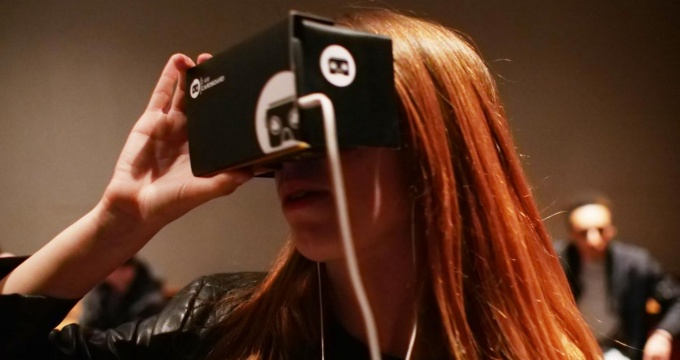
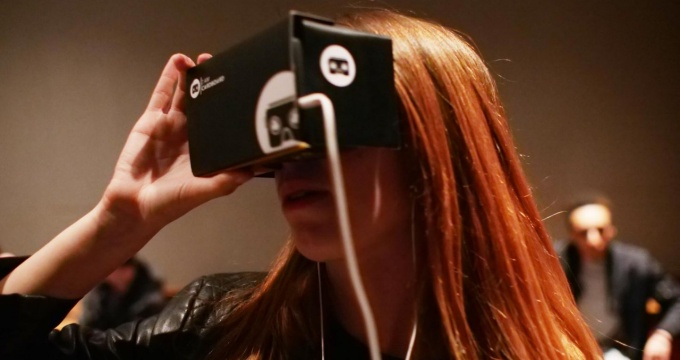
Design worlds and rethink what play can do.
Games and Virtual Reality research in the Department of Media Study at the University at Buffalo explores how interactive systems shape identity, narrative and social experience. Faculty and students build virtual worlds, mixed reality environments and responsive installations while critically examining the structures behind them.
This area does more than design games. It rethinks gaming paradigms, experiments with alternative interfaces and investigates how mediated environments transform human agency.
Games and Virtual Reality treat play as both creative medium and cultural force. Research examines how artificial characters are constructed, how players inhabit digital spaces and how identity shifts in immersive environments.
Students explore questions about agency for both human and virtual actors. They design systems that respond to user input, test narrative mechanics and analyze how bodies and identities are represented in digital worlds.
Great for students interested in:
- Game design and development
- Virtual and mixed reality
- Interactive storytelling
- Narrative systems and world building
- Digital rhetoric and media theory
- Community storytelling and socially engaged design
Research in Games and Virtual Reality asks questions such as:
- How can we design compelling artificial characters and systems?
- How does immersion affect perception, identity and embodiment?
- What happens to agency in algorithm-driven environments?
- How do games represent power, labor, gender and community?
- How can interactive media imagine alternative social futures?
These questions connect design practice with cultural critique.
Research in this area blends technical development with theoretical analysis. Faculty and students design games, prototype immersive systems and study player experience while engaging media theory, rhetoric and cultural studies.
Methods may include:
- Game design and iterative prototyping
- Virtual and augmented reality development
- Mixed reality installation design
- Narrative systems modeling
- User experience testing
- Critical analysis of digital infrastructures and platforms
Projects may take the form of playable games, immersive installations, research publications or hybrid creative works.
Games and Virtual Reality research commonly explores:
- Game studies and game design
- Virtual and mixed reality systems
- Interactive narrative and world building
- Artificial characters and player agency
- Digital rhetoric and media infrastructure
- Socially engaged and community-based storytelling
- Posthumanism and mediated embodiment
Together, these approaches position games and immersive media as tools for creative innovation and cultural reflection.
Connects naturally to
Electronic literature, emerging media, digital humanities, film and video, sound design, computer science, cultural theory and professional communication.


Students gain hands-on experience building playable systems, designing immersive environments and analyzing how digital worlds function. They collaborate across disciplines and test ideas in real and virtual spaces.
These projects build technical skill, narrative fluency and critical awareness that translate into careers in game development, immersive media, UX design, digital storytelling and advanced graduate study.