Cell and Molecular

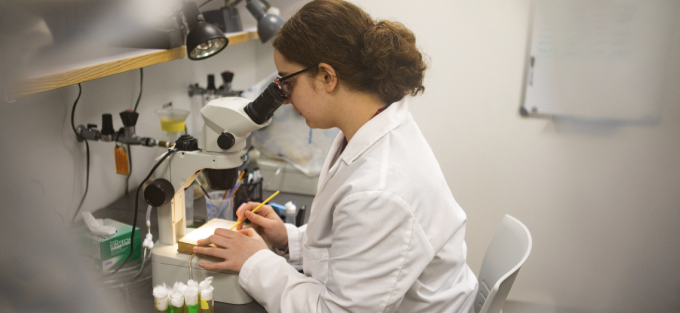
How cells turn DNA into life
Animal systems biology explores how complex biological systems interact to keep organisms alive, responsive and adaptable. This research area looks at how nerves, hormones, metabolism and development work together at the whole-organism level, with strong relevance to animal biology and human health.
Great for students interested in genetics, medicine, neuroscience, biotechnology, or molecular mechanisms of disease.
Research in cell and molecular biology asks questions such as:
- How do cells control when and how genes are used?
- How is protein production regulated at different stages?
- How do errors in these processes lead to disease?
- How can molecular pathways be targeted for new therapies?
Cell and molecular biology research focuses on the step-by-step processes that control protein expression. This includes transcription of DNA into RNA, RNA processing, translation into proteins and post-translational modifications that fine-tune protein function.
By studying these mechanisms, researchers uncover how cells maintain balance, respond to signals and adapt to changing conditions.
Cell and molecular biology commonly explores:
- Regulation of gene expression
- RNA splicing and processing
- Protein synthesis and modification
- Intracellular transport and localization
- Molecular mechanisms underlying disease
This work provides the foundation for advances in medicine, biotechnology and basic biological discovery.
Connects naturally to
Genetics, genomics, cellular signaling, animal systems biology, microbiology
Students can gain hands-on experience exploring the molecular machinery of life through lab research, independent projects and interdisciplinary collaborations.