Plant Biology
How plants grow, adapt and evolve
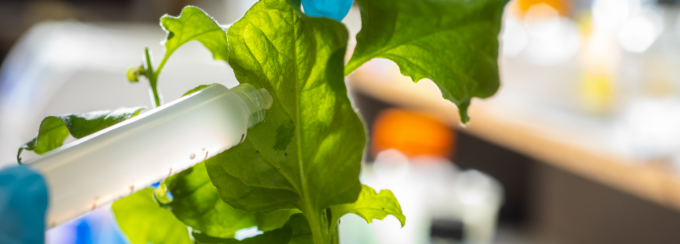
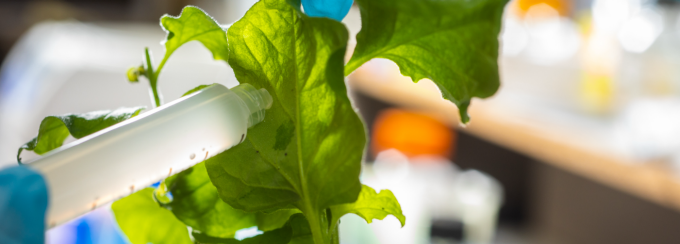
Plant biology explores how plants function at the molecular, cellular and organismal levels. Research in this area examines how plants capture energy, regulate metabolism, respond to environmental stress and diversify over evolutionary time. From photosynthesis to pharmaceutically valuable compounds, plant biology helps explain how plants shape ecosystems and human life.
Great for students interested in plant science, ecology, evolution, agriculture, environmental biology, sustainability, biotechnology or natural product discovery.
Plant biology research addresses fundamental questions such as:
- How do plants regulate photosynthesis and metabolism?
- How are valuable plant compounds produced and controlled?
- How do plants grow and survive in stressful or contaminated environments?
- How have plants evolved and diversified across the globe?
- How do genetic and molecular processes shape plant form and function?
These questions are central to understanding food systems, ecosystems and plant-based solutions to global challenges.
Plant biology research integrates molecular biology, genomics, physiology and evolutionary analysis to understand plant function and diversity. Studies may focus on metabolic pathways, growth responses, environmental adaptation or evolutionary history.
Researchers use tools such as molecular genetics, biochemical assays, genomic sequencing and comparative analyses to investigate how plants develop, respond to their environment and evolve over time.
Plant biology research commonly explores:
- Photosynthesis and metabolic regulation in C3 and C4 plants
- Biosynthesis of plant compounds with pharmaceutical value
- Plant growth in stressful or contaminated environments
- Molecular regulation of plant development
- Evolutionary genomics and plant diversification
- Genetic mechanisms underlying plant adaptation
Together, these approaches reveal how plants function, adapt and contribute to life on Earth.
Connects naturally to
Cell and molecular biology, cellular signaling, genetics, genomics, ecology and evolution, microbiology
Students can engage in plant biology research through lab-based projects, field studies and interdisciplinary collaborations that connect molecular biology, ecology and evolution. Many students discover plant biology through broader life science interests and follow their curiosity into research.