Animal Systems Biology
Understanding how living systems work together
Animal systems biology explores how complex biological systems interact to keep organisms alive, responsive and adaptable. This research area looks at how nerves, hormones, metabolism and development work together at the whole-organism level, with strong relevance to animal biology and human health.
Great for students interested in neuroscience, physiology, endocrinology, metabolism, health sciences or biomedical research.
Research in animal systems biology asks questions such as:
- How do nervous systems process sensory information?
- How do hormones regulate behavior, metabolism and development?
- How do genes and proteins shape physiological responses?
- How do organisms integrate signals across tissues and organs?
- What goes wrong in neurological and metabolic disorders?
These questions connect molecular processes to whole-body function.
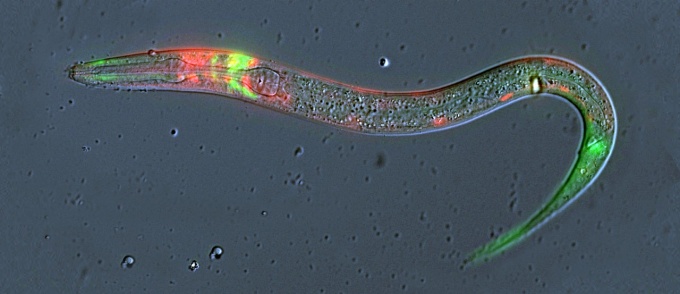
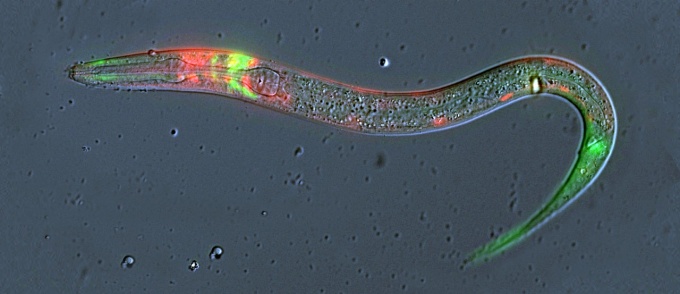
Animal systems biology research uses model organisms that allow scientists to study complex biology in controlled, accessible ways. Common model systems include mice, rats, zebrafish, fruit flies and nematode worms, each offering unique experimental advantages.
By combining genetics, molecular biology, physiology, imaging and behavioral analysis, researchers uncover how biological systems communicate and adapt across scales.
Animal systems biology commonly explores:
- Sensory and neuronal processing
- Neurobiology and behavior
- Hormonal regulation and endocrine signaling
- Metabolism and metabolic disorders
- Developmental physiology
- Organism-level integration of biological systems
Together, these approaches reveal how biological systems coordinate to support life.
Connects naturally to
Neuroscience, cellular signaling, genetics, genomics, cell and molecular biology, microbiology
Students can gain hands-on research experience working with animal models to study physiology, behavior and biological integration. These projects build skills that translate to careers in research, health professions, biotechnology and graduate study.