Fungal Biology
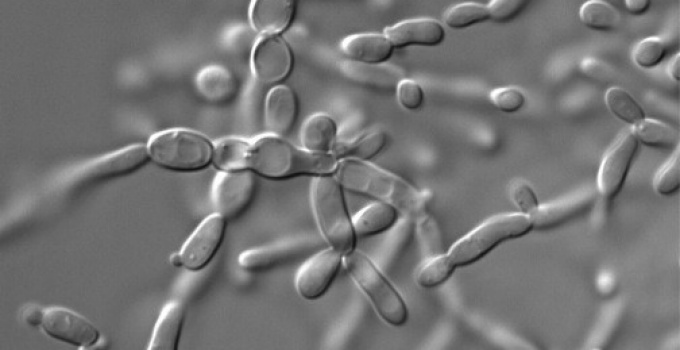
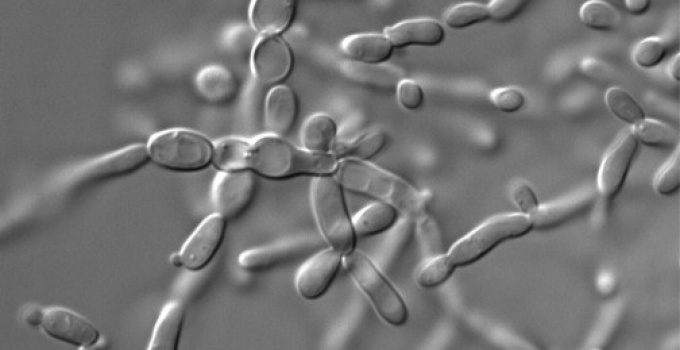
Saccharomyces cerevisiae. Image courtesy of Dr. Paul Cullen.
Using fungi to reveal how cells grow, adapt and survive
Fungal biology uses fungi such as yeasts and filamentous fungi to understand core cellular processes shared across life. Because fungi are powerful model systems, this research area helps answer big questions about gene regulation, cell structure and how cells respond to their environments.
Great for students interested in molecular biology, genetics, microbiology, cell biology, health sciences or biotechnology.
Research in fungal biology explores questions such as:
- How do cells sense nutrients and environmental change?
- How is gene expression controlled at multiple levels?
- How do cells alter shape, growth and structure in response to signals?
- What can simple organisms teach us about human disease?
- How do fungal pathogens adapt and survive in host environments?
These questions make fungal biology a gateway to understanding fundamental biology and disease.
Fungal biology research relies on model organisms like budding yeast and filamentous fungi to study cellular processes in a controlled and efficient way. Because many cellular mechanisms are conserved across species, discoveries made in fungi often apply to plants, animals and humans.
Studies combine molecular genetics, cell biology and biochemical approaches to uncover how cells regulate transcription, RNA processing, translation and cell structure.
Fungal biology commonly explores:
- Regulation of gene expression
- Nutrient sensing and metabolic signaling
- Cell wall formation and morphology
- Budding patterns and growth control
- Molecular mechanisms of fungal pathogenesis
- Yeast as a model for transcription and RNA processing
Together, these approaches show how cells coordinate internal processes with external conditions.
Connects naturally to
Cell and molecular biology, genetics, genomics, cellular signaling, microbiology
Students can participate in fungal biology research through lab-based projects that build strong skills in molecular biology, genetics and experimental design. These experiences often serve as a foundation for careers in research, health professions and biotechnology.